Nanohertz gravitational waves · Pulsars · Multimessenger astronomy
Finding supermassive black-hole binaries with cosmic clocks
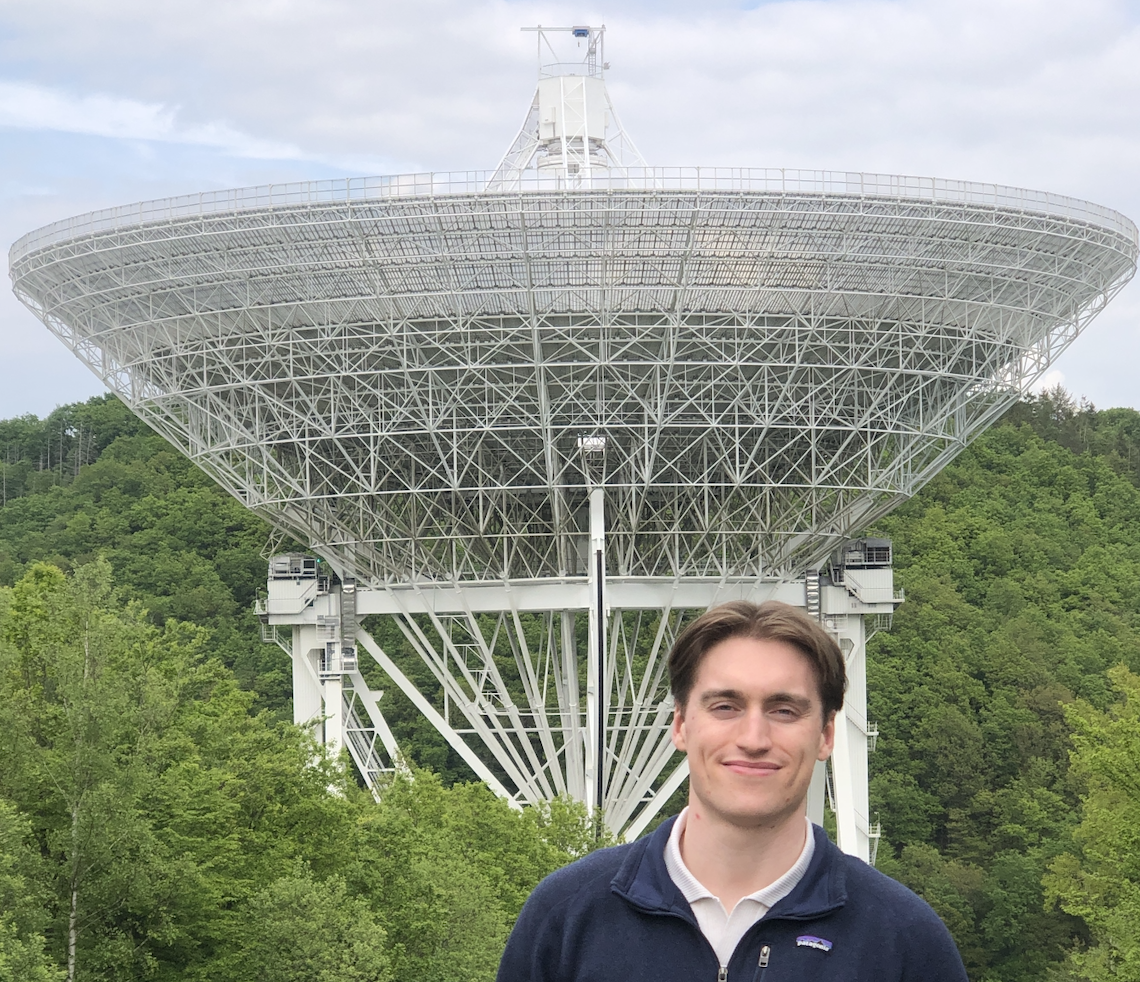
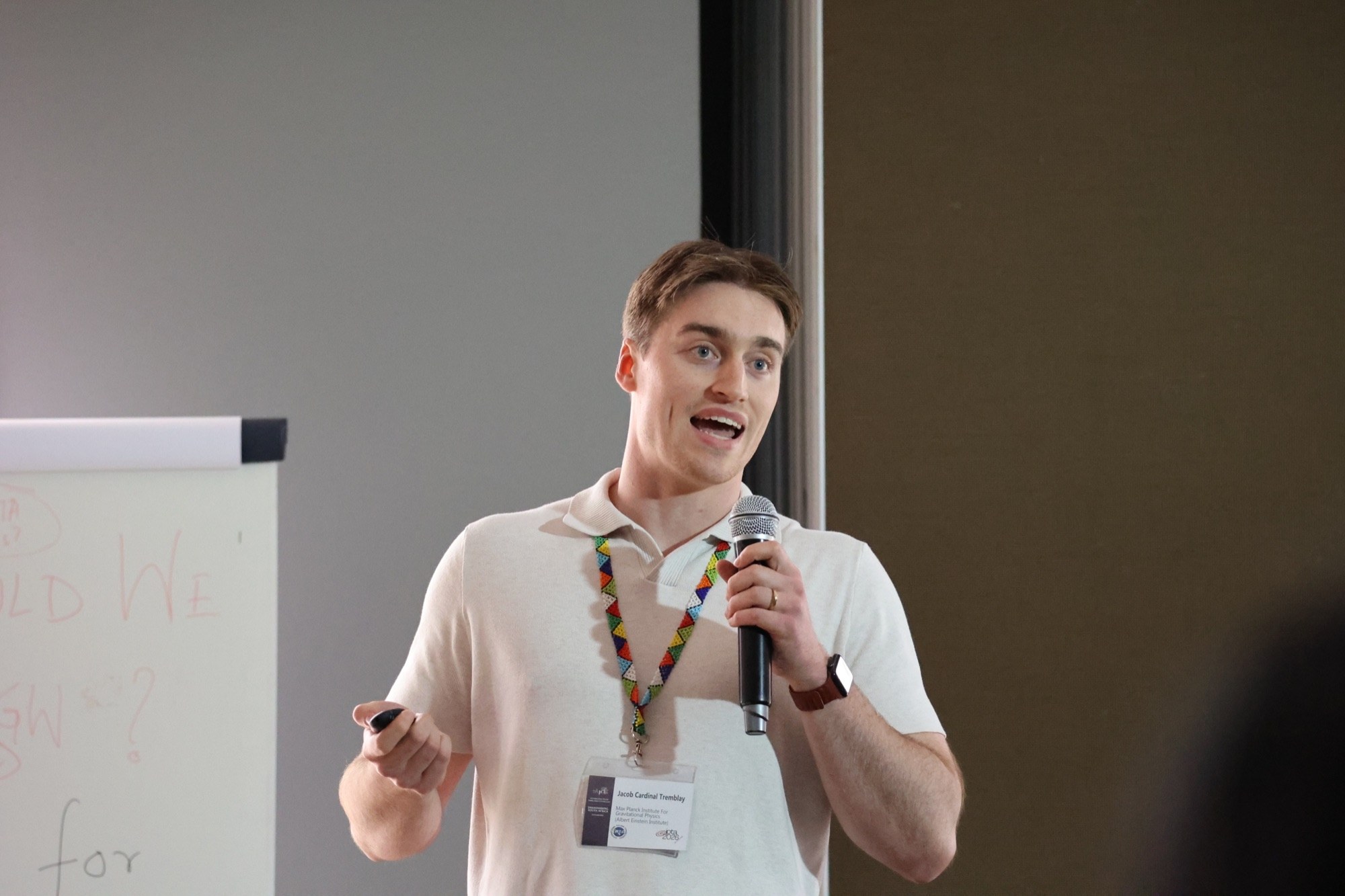
Hi everyone! I am a PhD student at the Max Planck Institute for Gravitational Physics (Albert Einstein Institute). My research combines pulsar timing array data with electromagnetic observations to search for nanohertz gravitational waves from individual supermassive black-hole binaries, test proposed candidates, and develop these systems as cosmological probes.
Selected paths
Explore my work
Research
Targeted and all-sky gravitational-wave searches, search pipelines and statistical tests, standard-siren cosmology, and pulsar observations.
View research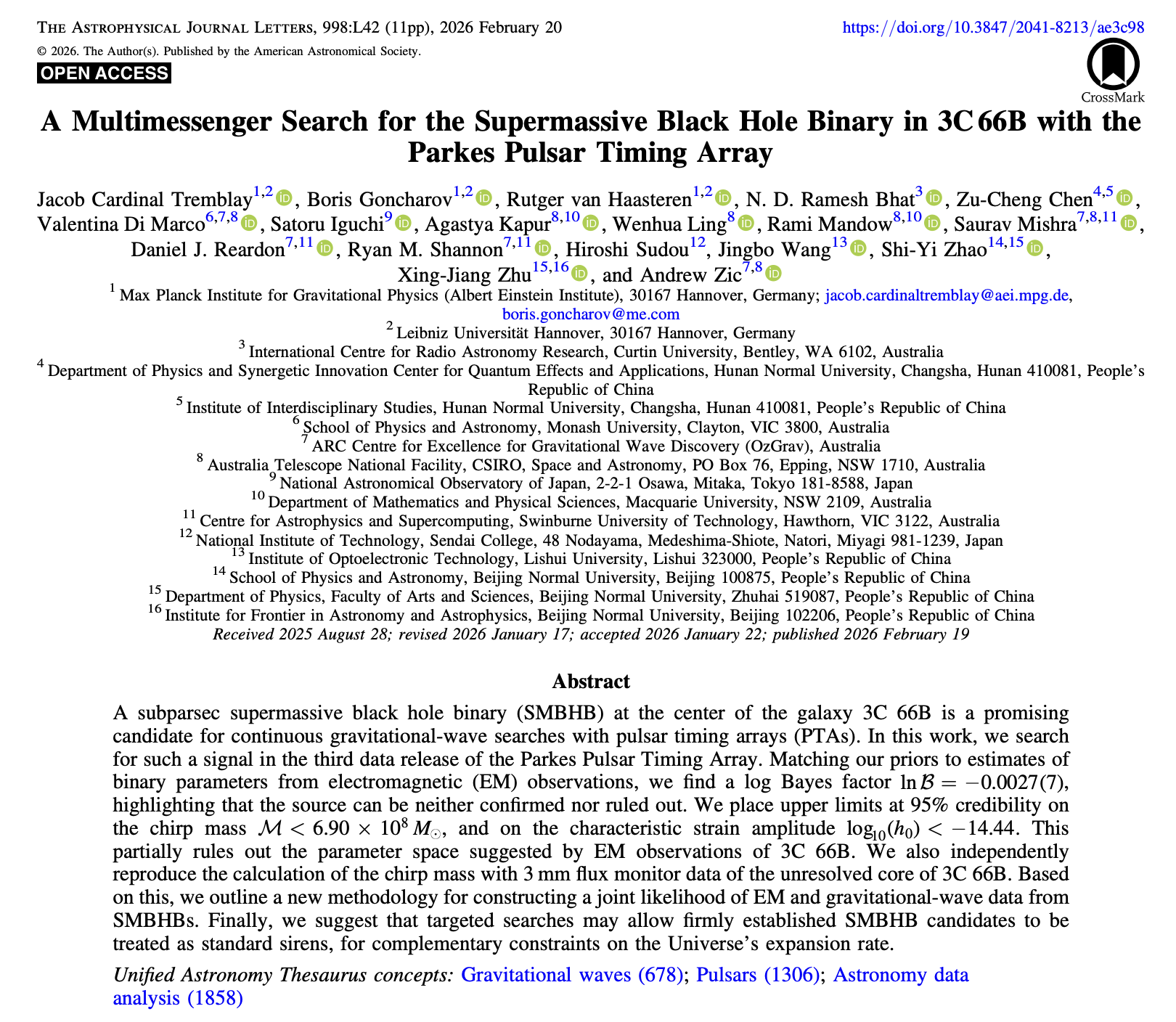
Publications
First-author and collaboration papers on supermassive black-hole binaries, pulsar timing, fast radio bursts, and precision radio astronomy.
Browse publications
Projects
Observational astronomy, outreach, scientific programming, and instrumentation.
See projectsResearch path
From radio observations to gravitational-wave inference
My current work uses Parkes Pulsar Timing Array data, on which I perform targeted searches informed by electromagnetic observation. I perform statistical inference to ask whether proposed supermassive black-hole binaries produce detectable gravitational-wave signals and how identified systems can inform cosmology. As of yet, no such signal has been detected, but I believe that through improved search techniques, more expansive and precise electromagnetic observations, and more accurate modelling, we are on the verge of discovery.
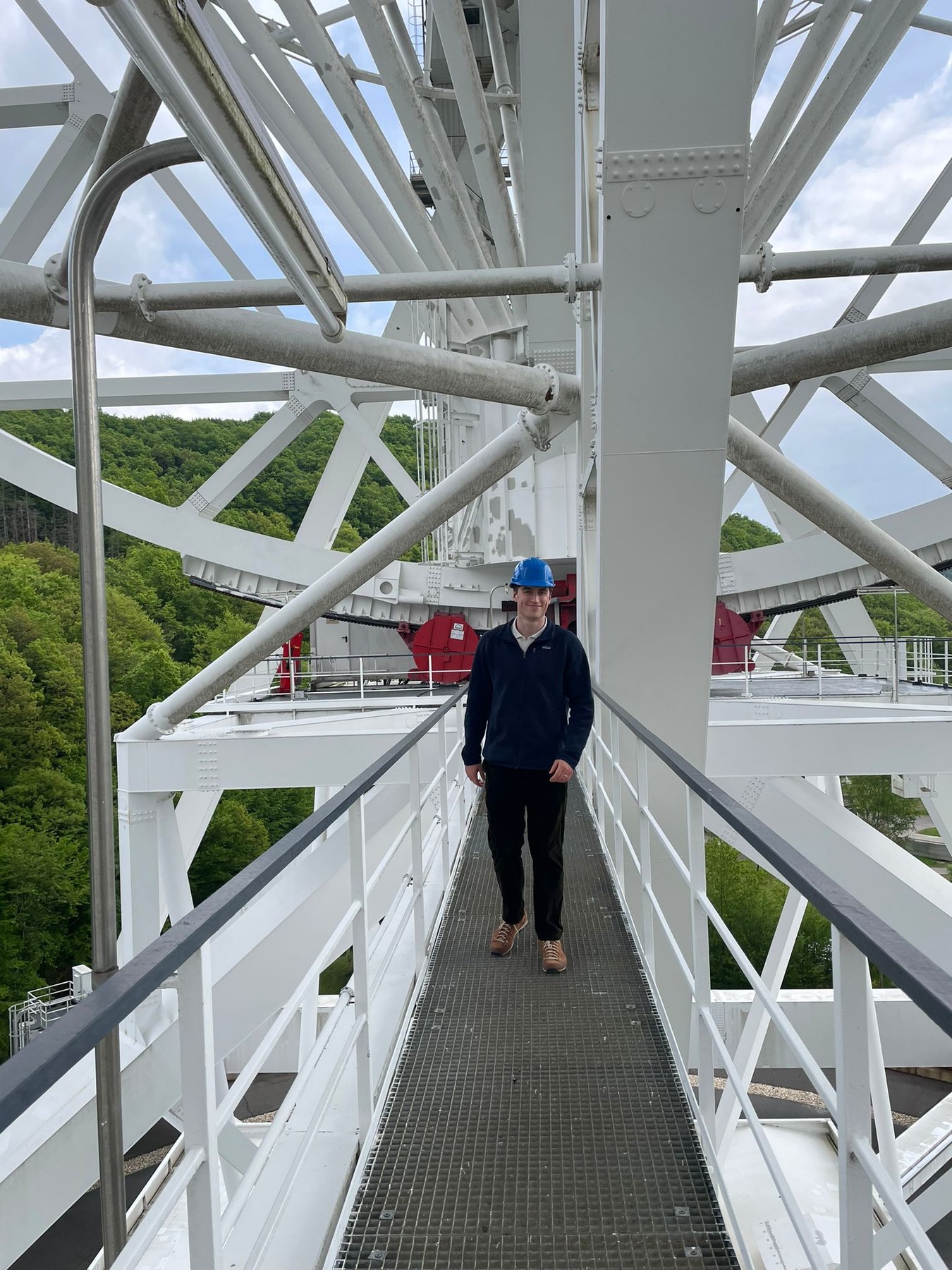
This programme builds on earlier research with Effelsberg's ultra-broadband receiver, pulsar dispersion-measure variations, FRB 121102, pulsar-candidate searches, and radio-frequency-interference mitigation. Together, this experience shaped how I approach my research, from raw telescope data to physical interpretation.
I graduated from West Virginia University in 2021 with a BSc in physics and from the University of Bonn in 2024 with an MSc in astrophysics, where I carried out my thesis project at the Max Planck Institute for Radio Astronomy. I am currently a PhD student at the Max Planck Insitute for Gravitational Physics (AEI) and plan to graduate in 2027.